Free UK Delivery On All Orders
Order Before 3PM For Same Working Day Dispatch
Next Working Day Delivery Available
All In Stock And Ready To Dispatch

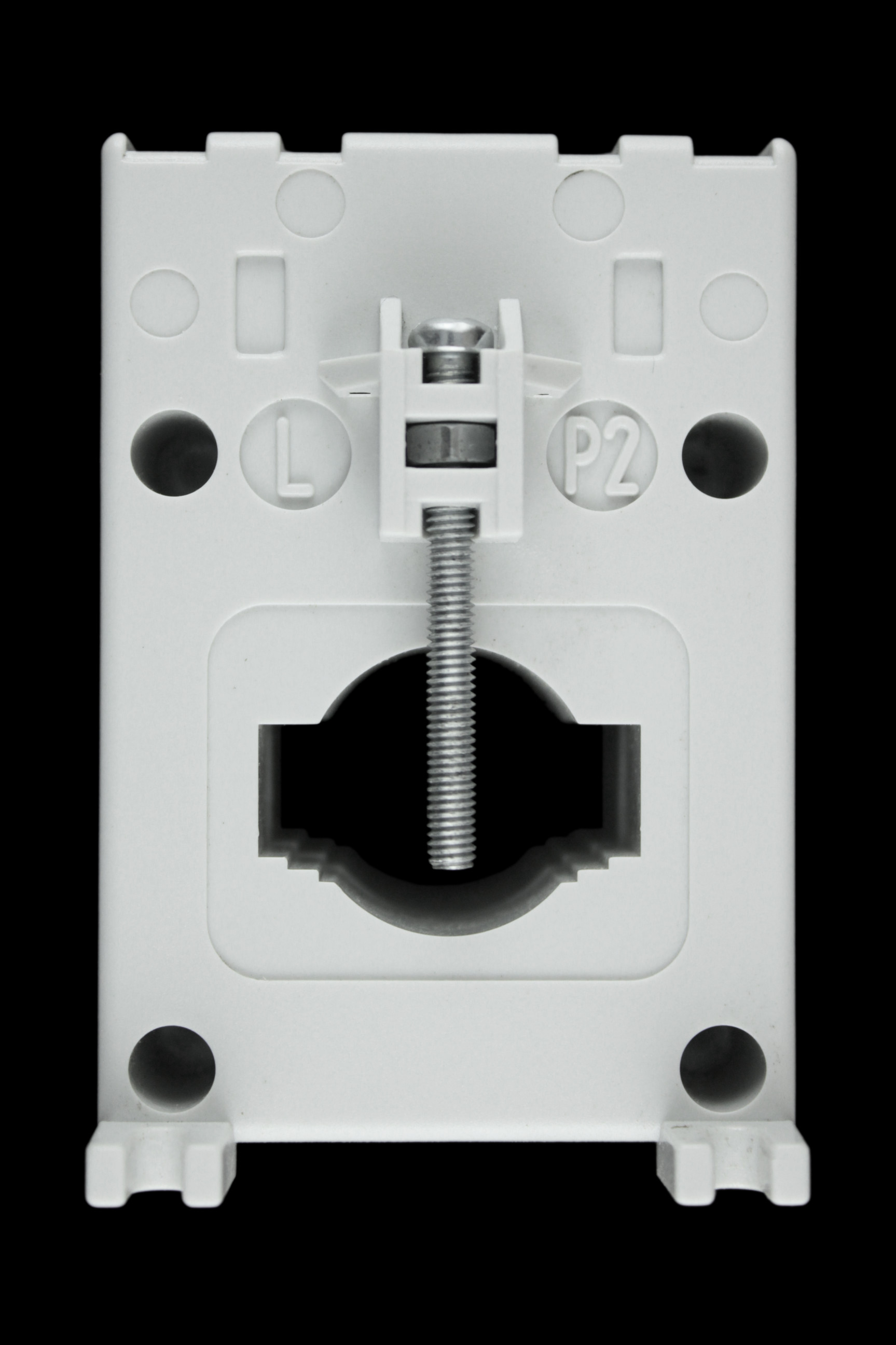
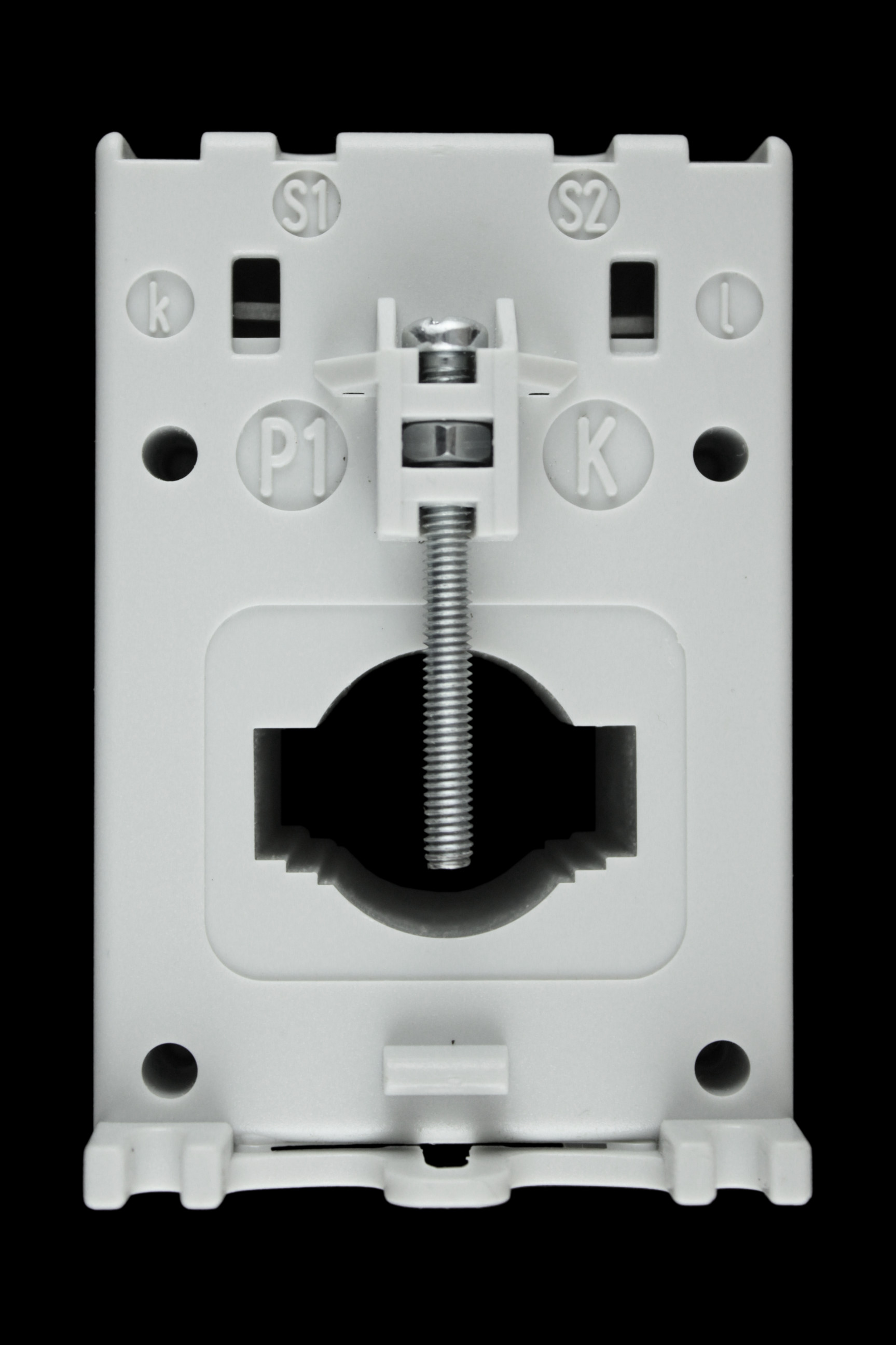
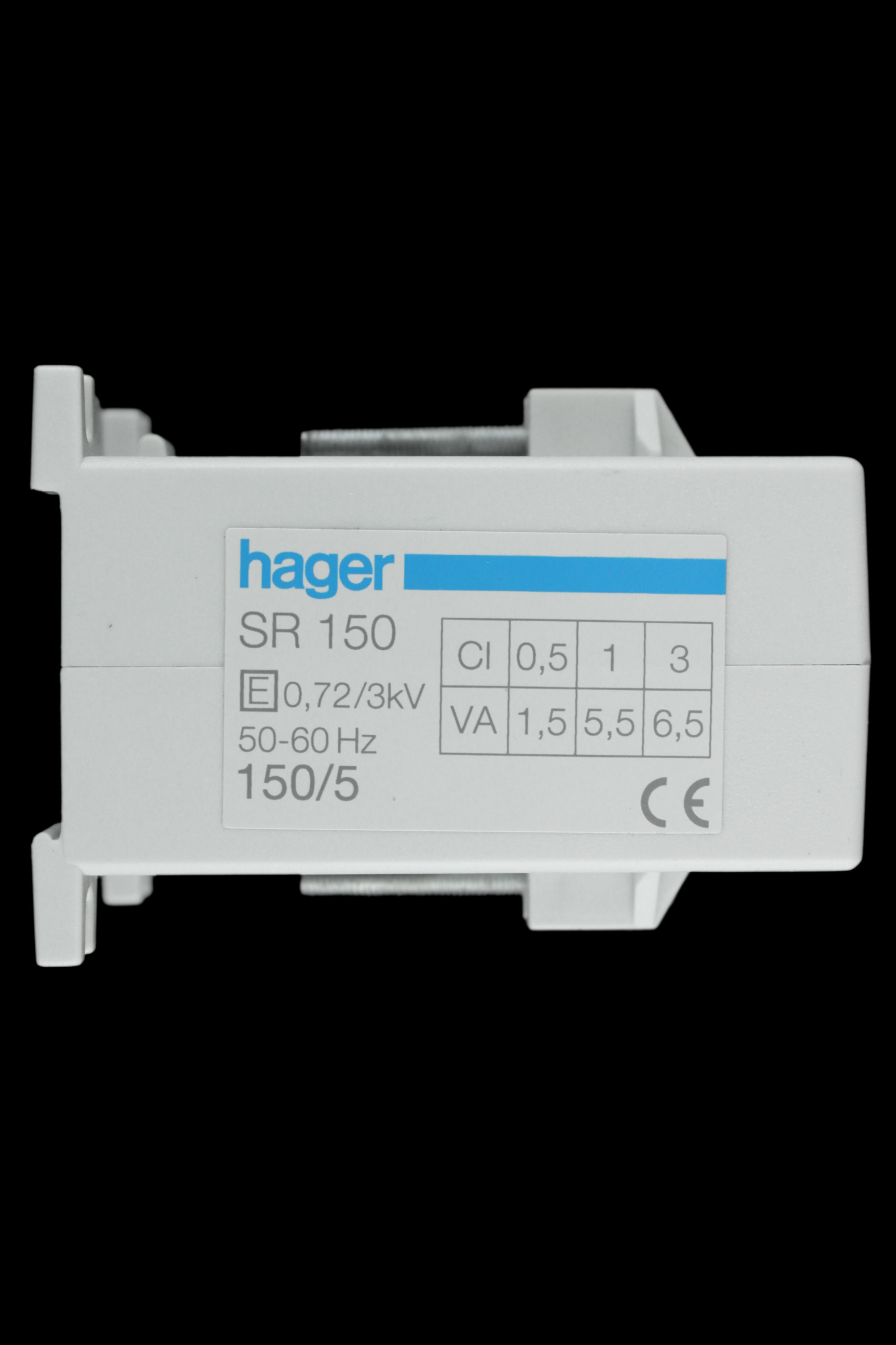
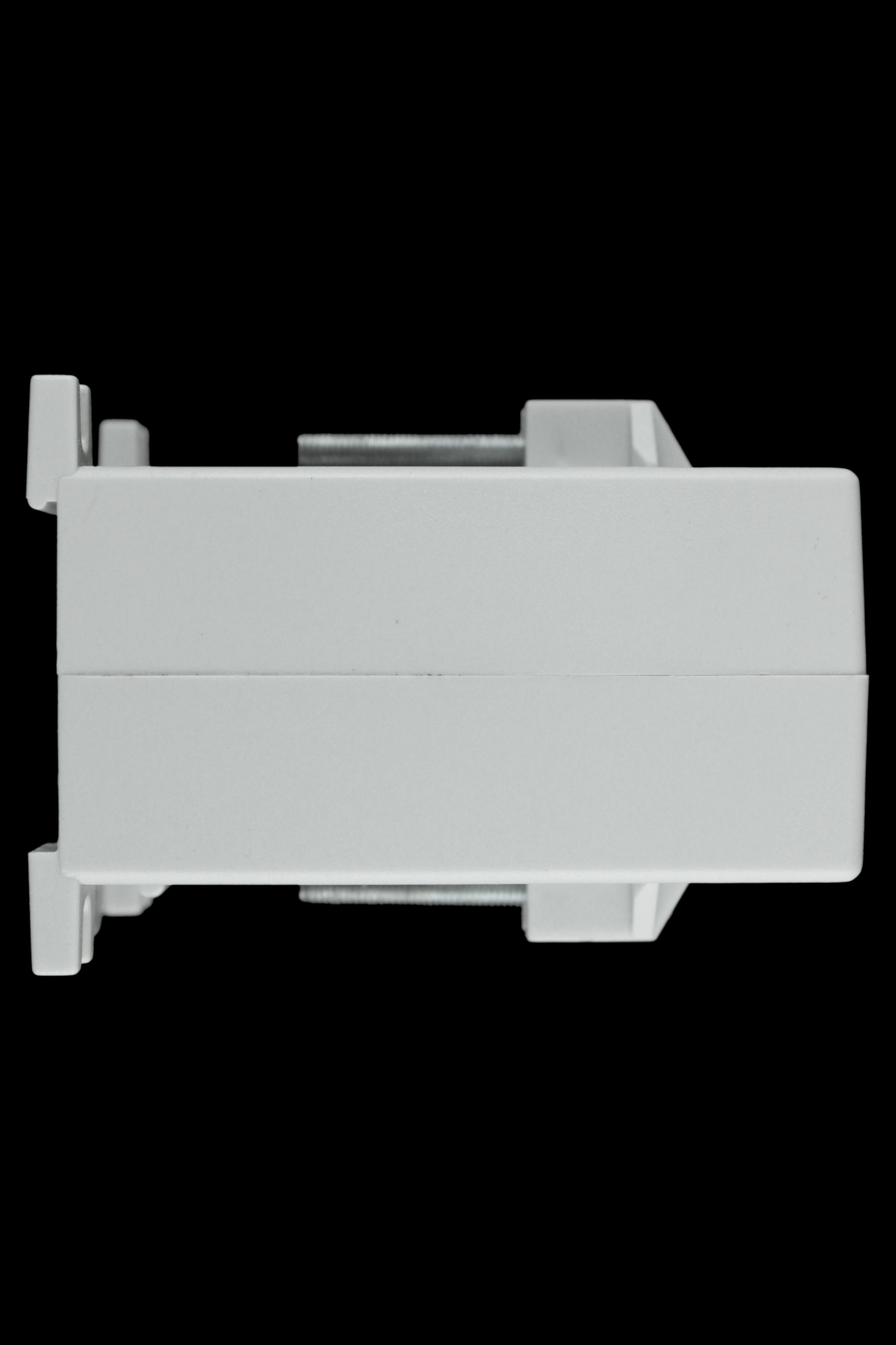
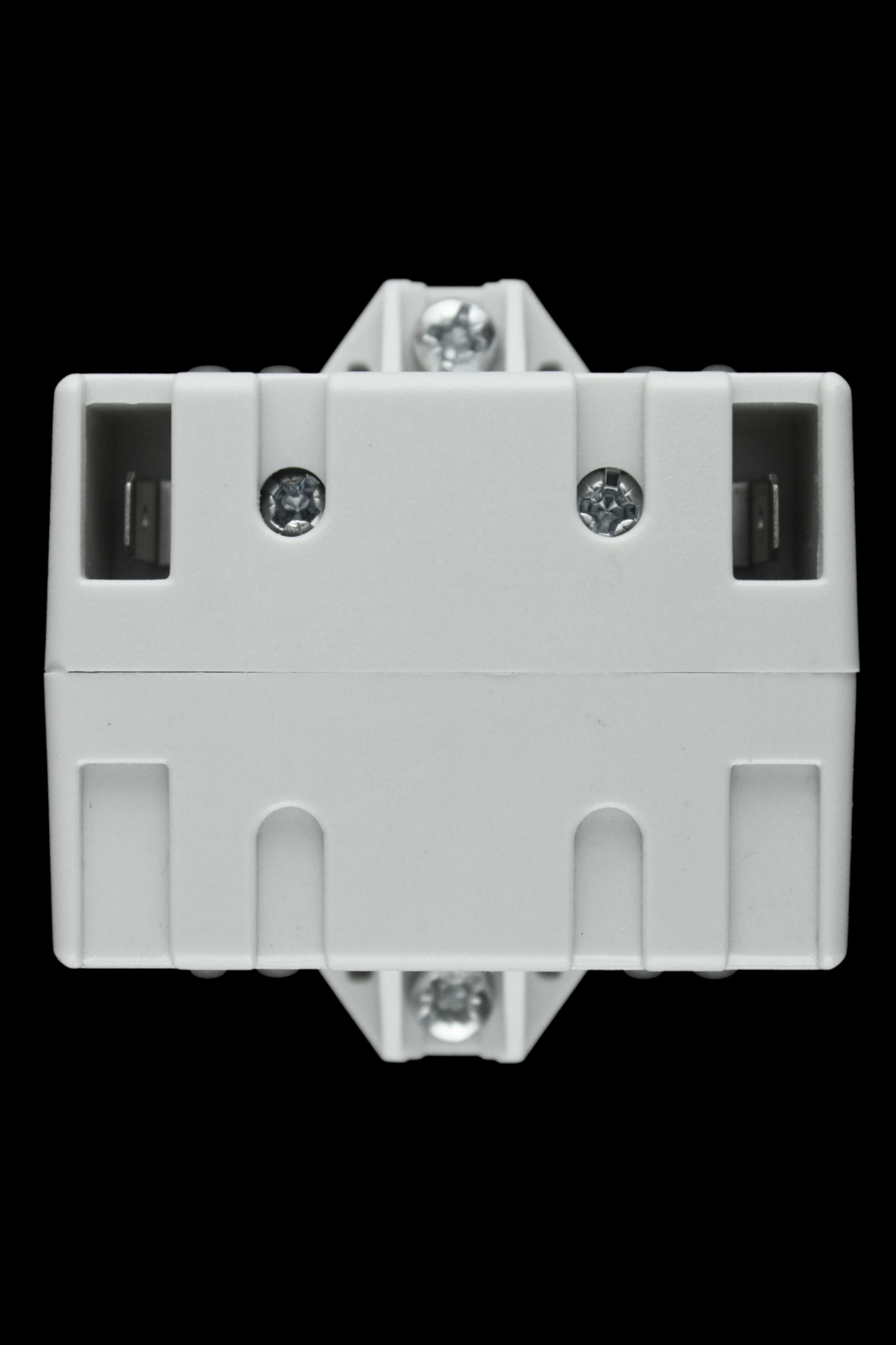
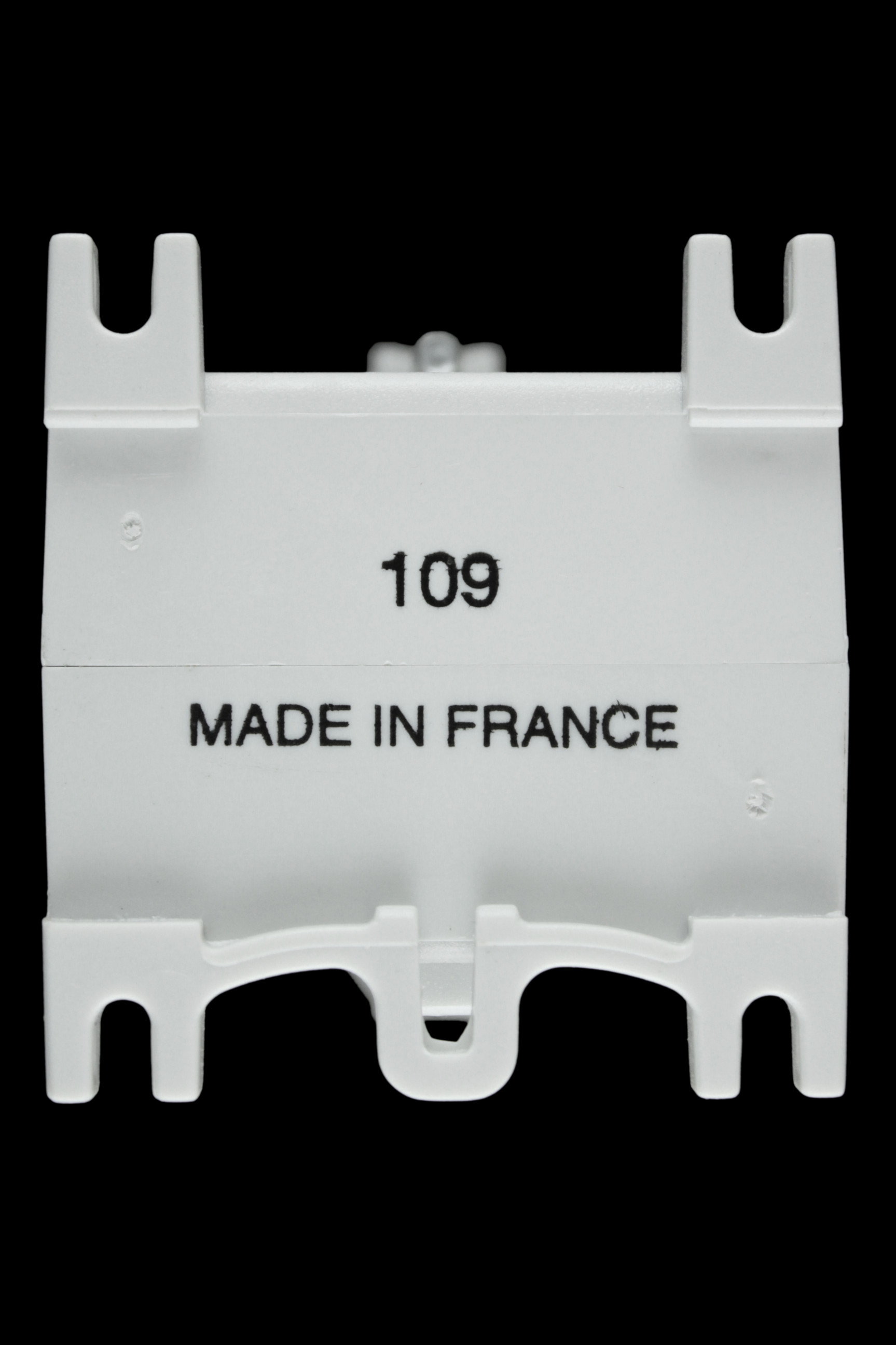
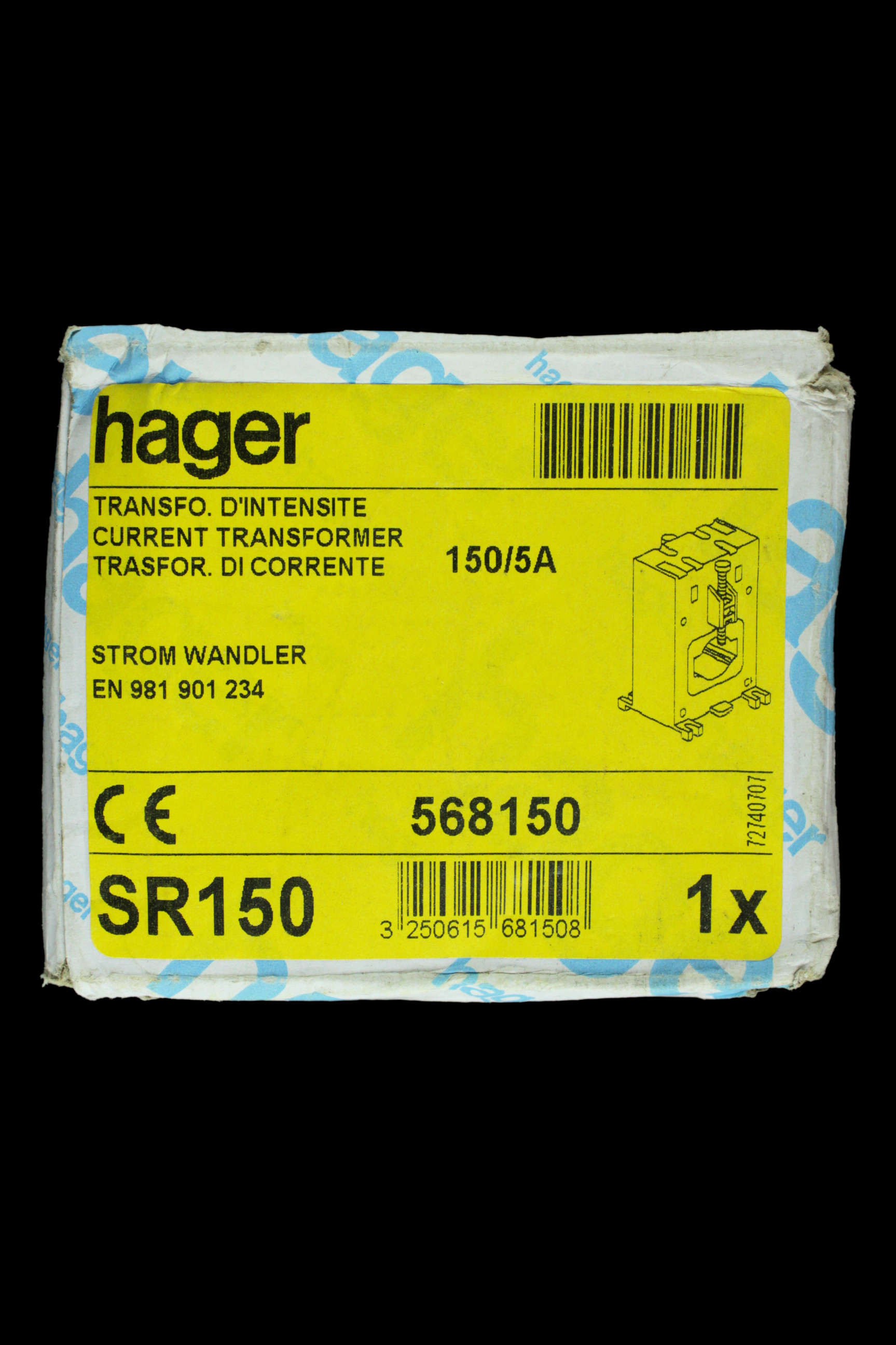
HAGER 150/5A CURRENT TRANSFORMER CT SR150 568150

£34.68

Product may vary slightly from image representation.
  • Item Condition:New
  • SKU:9721
  • Stock Qty:0
Qty:
HAGER 150/5A CURRENT TRANSFORMER CT SR150 568150
BrandHAGER
CategoryTransformer
LocationShelf 28

A Transformer is a device that changes (transforms) electrical energy from one voltage level to another using magnetism. It allows you to "step up" voltage for long-distance travel or "step down" voltage to make it safe for household devices.

There are 2 main Types

1. Voltage Transformers (Power Supply)

These are used to change high-voltage mains power into low-voltage power that is safe for small appliances.

  • Step-Down Function: It takes standard 240V mains power and drops it down to 8V, 12V, or 24V. This is essential for doorbells, thermostats, and intercoms that would melt if plugged directly into a wall socket.
  • Safety Isolation: These create a physical gap between the high-voltage "grid" and your device, preventing dangerous surges from reaching the doorbell button.

2. Current Transformers (Measurement)

These do not power devices. Instead, they act like a "sensor" to tell a meter how much electricity is flowing through a heavy-duty cable.

  • The "Clamping" Method: A CT usually looks like a ring or a doughnut. You pass a large power cable through the centre. It uses magnetism to create a tiny, proportional current in its own wires.
  • Ratio: As an expamle the Hager SR150 has a 150:5 ratio. This means if 150 Amps are flowing through the big main cable, the CT sends a tiny 5 Amps to a digital meter. This allows a small, delicate meter to safely monitor a massive industrial power supply.
  • Monitoring & Billing: These are essential for Smart Meters, solar panel monitors, and factory energy-tracking systems.

Why use a Transformer?

Without them, we couldn’t have safe low-voltage electronics in our homes, and we wouldn’t be able to measure high-power industrial electricity without blowing up our meters.

0 item(s), £0.00

0 items